

A rate lock home lending Australia explained in practical terms: it is a commitment from your lender to hold a specific interest rate for a defined period — typically 60 to 120 days — so the rate does not change between formal approval and settlement. In a rising rate environment, a rate lock protects you from paying a higher rate if the RBA increases the cash rate before your settlement date. With the RBA cash rate at 4.35% in August 2026 and economists divided on whether further increases are ahead, understanding how rate locks work — and what they cost — is essential for every Melbourne borrower with a pending approval.
Locking in fixed rate before settlement means the lender guarantees the fixed rate quoted at the time of formal approval will apply on the day of settlement — regardless of any market rate movements in between. Without a rate lock, the fixed rate applied to your loan is the rate available on settlement day — which could be higher or lower than the rate quoted at approval. In a period of rising rates, a rate lock protects you from an increase. In a falling rate period, a rate lock means you pay the higher locked rate even if market rates have dropped.
A rate lock home lending Australia explained: it holds a fixed rate for 60 to 120 days between formal approval and settlement. Most major banks offer 90-day locks at no extra fee. In a rising rate environment, locking is low-cost insurance against increases before settlement.
The rate lock applies only to fixed-rate loans or the fixed portion of a split loan. Variable rates cannot be locked because they adjust with the market by design. Most lenders offer rate locks on fixed-rate loans for periods of 60 to 120 days from formal approval. The lock period must cover the time between your approval date and your expected settlement date — including any buffer for potential settlement delays.
The rate lock period duration Australian banks offer varies from 60 to 120 days depending on the institution. Major banks typically offer 90-day rate locks as standard for fixed-rate loans. Some extend to 120 days for construction loans or off-the-plan purchases where the settlement date is further in the future. Non-bank lenders may offer shorter lock periods of 60 to 90 days — or may not offer rate locks at all.
The lock period begins from the date of formal approval — not from the date you apply or receive conditional approval. This distinction matters because the time between application and formal approval can consume 10 to 25 business days depending on lender processing times. If your formal approval is issued on day 20 of a 90-day lock, you have approximately 70 days remaining until the lock expires. If settlement is delayed beyond the lock expiry, the lender applies the current market rate on settlement day — which may be higher than the locked rate. Clarity Financial Solutions monitors your rate lock expiry date alongside your settlement timeline to prevent expiry before settlement.
Does rate lock cost extra with lenders? It depends. Most major Australian banks offer rate locks at no additional fee for standard 90-day periods — the lock is included as part of the fixed-rate loan product. However, some lenders charge a rate lock fee of 0.10% to 0.15% of the loan amount. On a $600,000 loan, this equates to $600 to $900 — a one-off cost that must be weighed against the potential rate increase you are locking against.
Some lenders offer a free rate lock but load the cost into a slightly higher fixed rate — typically 0.05% to 0.10% above the unlocked rate. Other lenders do not offer rate locks at all and simply apply the rate available on settlement day. Clarity Financial Solutions compares the total cost of each lender’s rate lock structure and advises whether locking is cost-effective given the current interest rate outlook and your expected settlement date. A rate lock home lending Australia explained accurately must include the fee impact alongside the rate protection.
When to request a rate lock before approval depends on two factors: the current rate outlook and the time between your approval and settlement. If economists expect the RBA to hold or cut rates, a rate lock provides less value — you may receive a lower rate on settlement day by not locking. If economists expect the RBA to raise rates, a rate lock protects you from the increase. In August 2026, the RBA has held at 4.35% after three hikes earlier in the year, and 55% of economists surveyed by Finder expect at least one further increase before year-end.

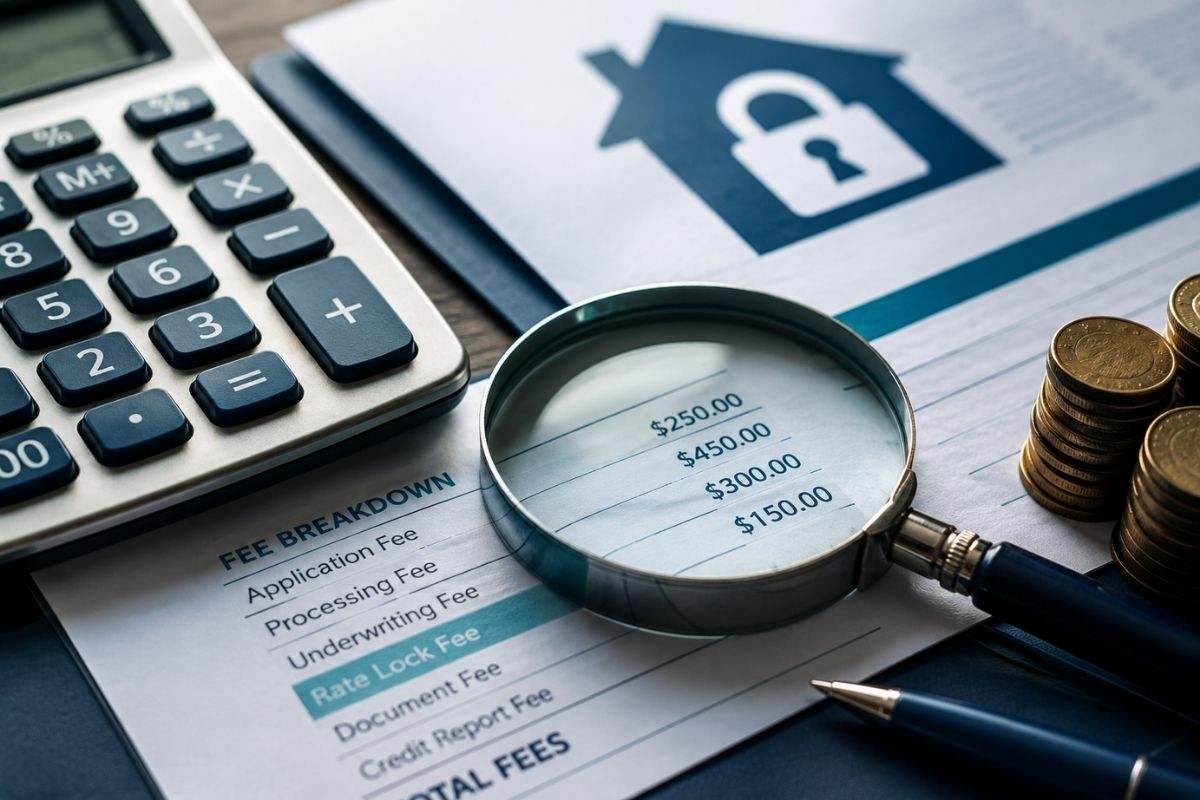
A rate lock home lending Australia explained properly requires understanding both the cost of locking and the probability of a rate increase before your settlement. Clarity Financial Solutions advises by modelling three scenarios: scenario one — rates increase by 0.25% before settlement (lock saves money); scenario two — rates hold steady (lock has no impact beyond any fee paid); scenario three — rates decrease before settlement (lock costs money because you are committed to the higher rate).
We calculate the dollar value of each scenario against the lock fee and recommend accordingly. For borrowers with settlement dates within 60 days and no rate lock fee, locking is typically low-cost insurance. For borrowers with settlement dates over 90 days away, the decision is more finely balanced and depends on the rate outlook. Clarity Financial Solutions provides this analysis as part of our free loan structuring service.

A rate lock is a commitment from your lender to hold a specific fixed interest rate for a defined period — typically 60 to 120 days — between formal approval and settlement. It protects you from paying a higher rate if interest rates increase before your settlement date.
Many major banks offer rate locks at no additional fee for standard 90-day periods. Some lenders charge a one-off fee of 0.10% to 0.15% of the loan amount ($600 to $900 on a $600,000 loan). Others load the cost into a slightly higher fixed rate. Clarity Financial Solutions compares the total cost across lenders.
No. Rate locks apply only to fixed-rate loans or the fixed portion of a split loan. Variable rates adjust with the market and cannot be locked. If you want rate certainty on a variable loan, consider fixing a portion of the loan and locking the fixed rate.
If the rate lock expires before settlement, the lender applies the current market fixed rate on settlement day — which may be higher or lower than your locked rate. Clarity Financial Solutions monitors your lock expiry date and coordinates with your conveyancer to prevent settlement delays that could cause the lock to lapse.
With the RBA cash rate at 4.35% and 55% of economists expecting at least one further increase in 2026, locking provides protection against a potential rate rise. However, if your settlement is within 60 days and the lock is fee-free, locking is low-cost insurance regardless of the rate outlook. Clarity Financial Solutions models the scenarios for your specific settlement timeline.
No. Rate lock advice is provided as part of our free loan structuring service. We model the cost-benefit of locking versus not locking for your specific settlement date, loan amount and rate outlook — and recommend the approach that minimises your total interest cost.

This article was prepared by Preeti Sidhu, Mortgage Broker at Clarity Financial Solutions (ACL 475676). Information is general in nature and does not constitute financial advice. Always consult a licensed mortgage broker before making any financial decisions.

A rate lock home lending Australia explained correctly is about cost-benefit, not anxiety. Clarity Financial Solutions models the dollar value of locking versus not locking for your specific situation — free of charge. Explore how our annual review service keeps your rate competitive long after settlement.
WhatsApp us